
Richard Allen, Bishop
February 14, 2026
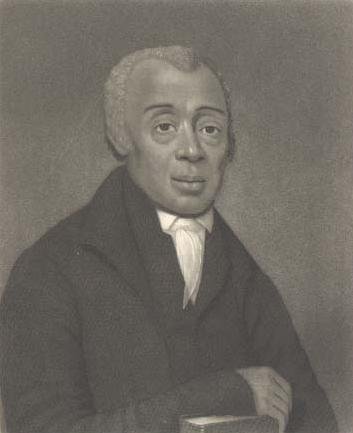 Bishop Richard Allen (1760–1831) was a formerly enslaved person who became a prominent minister, activist, writer, and the founder and first bishop of the African Methodist Episcopal (AME) Church, the first independent Black denomination in the United States. A tireless advocate for racial equality and the abolition of slavery, Allen was a leading voice in the early American republic for the rights and dignity of African Americans.
Life and activism:
- Early life and conversion to Methodism: Allen was born enslaved in Philadelphia in 1760. His family was later sold to a Delaware farmer named Stokeley Sturgis. At age 17, Allen converted to Methodism, which at the time was known for its opposition to slavery. Impressed by Allen's faith, his enslaver allowed him and his brother to purchase their freedom in 1780.
- Itinerant preacher: After purchasing his freedom, Allen began a career as an itinerant preacher, traveling through the Mid-Atlantic region. He preached to both Black and white audiences and gained a reputation for his powerful oratory.
- The Free African Society (FAS): Moving to Philadelphia in 1786, Allen was eventually forced to leave the racially segregated St. George's Methodist Church. In 1787, with fellow minister Absalom Jones, he co-founded the Free African Society, a nondenominational mutual-aid organization for the Black community.
- The Yellow Fever Epidemic: During the devastating yellow fever epidemic in Philadelphia in 1793, Allen organized a mass effort within the Black community to nurse the sick and bury the dead. He and Jones later published a pamphlet defending the work of Black Philadelphians against false accusations of theft.
- Founding the AME Church: After years of enduring racism and interference from white church leaders at Bethel Church, Allen and other Black Methodists decided to formalize a separate, independent denomination. In 1816, leaders of Black Methodist congregations met in Philadelphia to form the African Methodist Episcopal Church, and Allen was elected and consecrated as its first bishop.
- Opposition to colonization: Allen and other Black leaders fiercely opposed the American Colonization Society, which promoted the emigration of free Black people to Africa. Allen believed that Black Americans, whose ancestors had toiled to build the country, deserved to share in its promise and live in the United States.
- First National Negro Convention: In 1830, Allen organized and presided over the first National Negro Convention in Philadelphia, bringing together Black leaders from seven states to address growing oppression.
Legacy:
Richard Allen's legacy as a religious and civil rights leader continues today:
- Independent Black Church: By establishing the first independent Black church in the nation, Allen provided a foundation for a powerful institution that served as a religious, cultural, and political center for African Americans for generations.
- Civil Rights: Allen's vision for equality and his tireless activism for Black liberation influenced later figures in the civil rights movement, such as Frederick Douglass and Martin Luther King Jr..
- Educational Institutions: Allen's dedication to education is carried on through institutions like Allen University in Columbia, South Carolina, which is named in his honor.
- Activism: His willingness to challenge the status quo and push for self-determination for African Americans embodied a "founding father" spirit in the struggle for equality.