Frederick Douglass
February 14, 2026
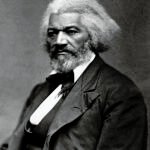 Frederick Douglass (born Frederick Augustus Washington Bailey, c. February 14, 1818[a] – February 20, 1895) was an American social reformer, abolitionist, orator, writer, and statesman. He was the most important leader of the movement for African-American civil rights in the 19th century.
Frederick Douglass (c. 1818–1895) was a formerly enslaved man who became a national leader in the abolitionist movement, a renowned orator and writer, and a powerful voice for human rights and equality. Born into slavery in Maryland, his courageous escape and subsequent rise to prominence made him one of the most influential African American leaders of the 19th century.
Early life and escape:
- Born into slavery: Born Frederick Augustus Washington Bailey in Talbot County, Maryland, Douglass never knew his exact birth date. He was separated from his mother as an infant, a common practice to sever familial bonds among enslaved people.
- A drive for literacy: While living in Baltimore with the Auld family, his owner's wife began teaching him the alphabet. After her husband forbade it, believing literacy was dangerous for enslaved people, Douglass secretly continued to learn from white children in the streets. This experience cemented his belief that education was a path to freedom.
- Escape to freedom: In 1838, at age 20, Douglass successfully escaped by disguising himself as a sailor and traveling north by train and steamboat. In New York, he adopted the surname Douglass to protect his identity. He later settled in New Bedford, Massachusetts, a haven for abolitionists.
The abolitionist leader:
- Orator and agent: In 1841, Douglass delivered an impromptu speech at an antislavery convention in Nantucket that so impressed abolitionist William Lloyd Garrison that he was hired as a lecturer for the Massachusetts Anti-Slavery Society.
- Published autobiographies: To silence skeptics who doubted that such an articulate man could have been enslaved, Douglass published his first autobiography, Narrative of the Life of Frederick Douglass, an American Slave (1845). It became a bestseller and provided a powerful, firsthand account of slavery's cruelty. He would later publish two other autobiographies.
- Newspaper publisher: After returning from a lecture tour in the United Kingdom, where supporters purchased his legal freedom, Douglass founded his own abolitionist newspaper, The North Star, in Rochester, New York.
Broader activism and legacy:
- Women's rights: As a steadfast supporter of women's suffrage, Douglass was the only African American to attend the first Women's Rights Convention in Seneca Falls, New York, in 1848. He spoke forcefully in support of women's right to vote.
- Civil War and Reconstruction: During the Civil War, Douglass advised President Abraham Lincoln, urging him to allow Black men to serve in the Union army. He became a recruiter for the 54th Massachusetts Infantry Regiment, where his own sons served. After the war, he tirelessly advocated for civil and political rights for the newly freed Black population.
- Government service: During the Reconstruction era, Douglass held several influential government positions. These included U.S. Marshal for the District of Columbia and Minister Resident and Consul General to Haiti.
- Enduring legacy: Douglass's life and work helped shape the Civil War and inspired the Civil Rights Movement of the 20th century. His masterful oratory and powerful writings continue to be studied for their deep insights into race, democracy, and freedom.