Prince Hall
December 7, 2026
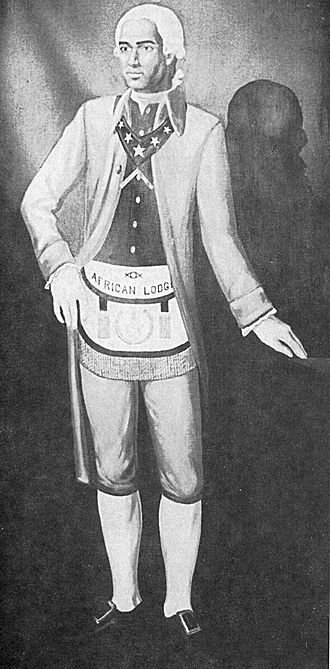 Prince Hall (c. 1735/38 – December 7, 1807) was an American abolitionist and leader in the free Black community in Boston. He founded Prince Hall Freemasonry and lobbied for education rights for African-American children. He was also active in the Back-to-Africa movement.
Founder of Prince Hall Freemasonry:
Hall established what became known as Black Freemasonry after facing exclusion from the white-dominated Masonic lodges in Boston.
- 1775: After being denied entry to local lodges, Hall and 14 other free Black men were initiated into Freemasonry by a British military lodge stationed in Boston.
- 1776: When the British troops departed, they granted Hall's group a permit to meet as African Lodge No. 1.
- 1784: Hall and his group petitioned the Grand Lodge of England for a charter, which was officially granted three years later. This made their lodge legitimate and independent.
- 1807: After Hall's death, the organization was renamed the
Prince Hall Grand Lodge
in his honor.
Civil rights and activism:
In addition to his work with Freemasonry, Hall was a prominent and influential civil rights activist.
- Abolitionist: He used his position as Grand Master of the African Lodge to speak out against slavery and wrote petitions to the Massachusetts legislature demanding emancipation. One notable petition in 1777 argued for freedom based on the American Revolution's ideals of liberty.
- Advocate for education: Hall consistently lobbied for equal educational opportunities for Black children. After two of his petitions to the Massachusetts legislature failed, he established a school in his own home in 1800.
- Community leader: Hall advocated for the economic advancement and protection of his community. In 1788, he successfully petitioned for legislation to prevent the kidnapping of Black seamen and their sale into slavery.
- Back-to-Africa movement: Following repeated disappointments in the struggle for equality, Hall became interested in the emigration of Black people back to Africa, though an early petition to the Massachusetts legislature failed.
Personal and professional life:
- Occupation: A leatherworker and caterer by trade, Hall was a homeowner and a taxpayer in Boston.
- Birthplace: Though his exact origins are debated, most historians believe he was born in New England between 1735 and 1738.
- Legacy: Hall's legacy extended beyond his lifetime. The Prince Hall Masonic network became a powerful engine for organizing and civil rights during slavery and segregation, laying a foundation for future Black community institutions. Notable Prince Hall Masons have included Thurgood Marshall, Booker T. Washington, and Benjamin Hooks.